
Exploring the Benefits of Body Percussion Activities for Music Students
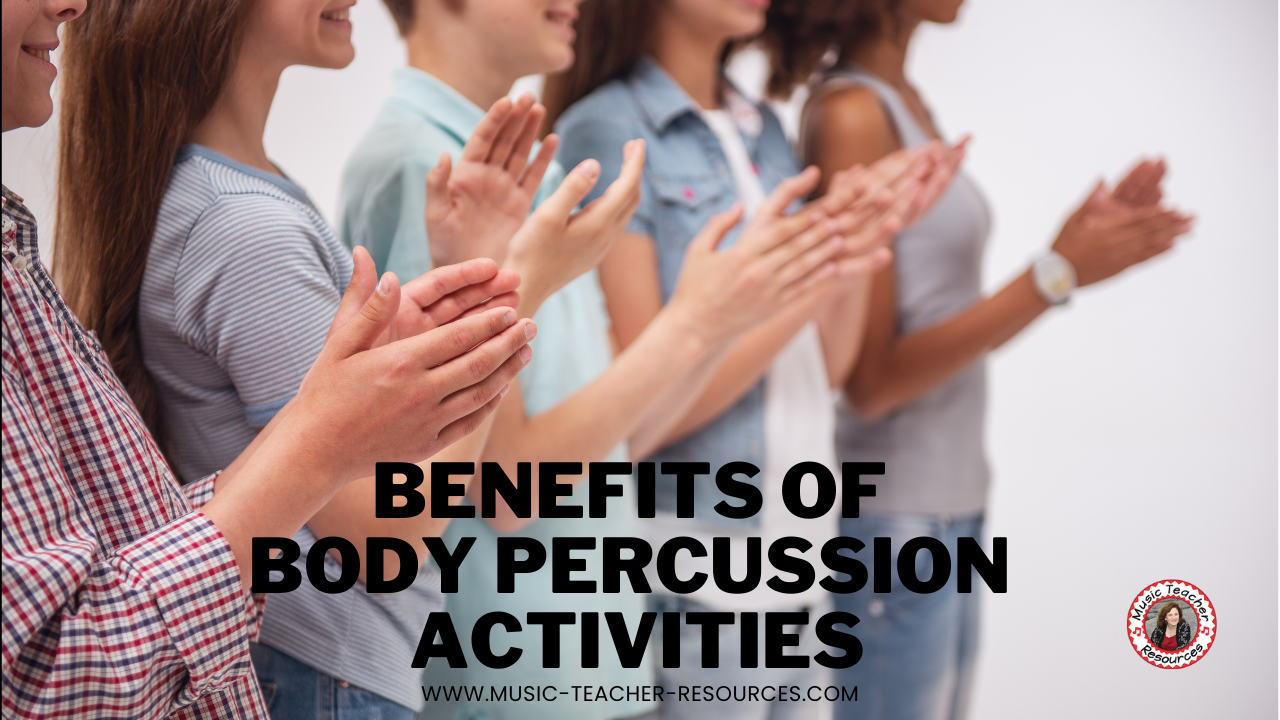
Body percussion activities are one of the most engaging, low-prep ways to teach rhythm in the music classroom.
Whether you're working with elementary or middle school students, body percussion helps bring rhythm to life through movement, sound, and active participation.
In this post, we’ll explore the key benefits of body percussion in music education — and why it deserves a regular place in your lesson plans.
1. Rhythmic Awareness and Precision
At the heart of every musical skill is rhythm.
Body percussion activities require students to:
- Keep a steady beat
- Perform rhythmic patterns
- Stay in sync with others
Because students are physically creating the rhythm, they:
- Internalise beat and subdivision more effectively
- Improve timing and accuracy
- Develop stronger rhythmic confidence
This makes body percussion one of the most effective rhythm activities for music students.
2. Kinaesthetic Learning and Multisensory Engagement
Not all students learn best by listening or reading.
Body percussion taps into kinaesthetic learning, allowing students to:
- Learn through movement
- Connect sound with physical action
- Stay actively engaged
This is especially powerful for:
- Middle school classes with high energy
- Students who struggle with traditional worksheets
- Classes that need a quick engagement boost
Movement-based learning leads to better retention and deeper understanding.
3. Develops Listening and Coordination Skills
Body percussion naturally strengthens both auditory and motor skills.
Students must:
- Listen carefully to rhythms
- Adjust their timing
- Coordinate movements with sound
Over time, this improves:
- Listening accuracy
- Ensemble awareness
- Coordination and control
👉 These are essential skills for performing, composing, and ensemble work
4. Encourages Creativity and Musical Expression
Body percussion isn’t just about copying rhythms — it’s a powerful creative tool.
Students can:
- Create their own rhythm patterns
- Experiment with different sounds (clap, tap, stomp)
- Build group compositions
It also gives students a way to:
- Express ideas without instruments
- Explore musical storytelling
- Build confidence in sharing their work
This turns simple rhythm work into meaningful musical expression.
Why Body Percussion Works So Well in the Music Classroom
Body percussion activities are:
- No/very little prep
- No equipment required
- Highly engaging
- Suitable for a wide range of ages
They’re perfect for:
- Warm-ups
- Rhythm practice
- Brain breaks
- Sub plans
- Group activities
Bringing Body Percussion Into Your Lessons
If you're looking to make your music lessons more engaging, start small:
- Add a 5-minute body percussion warm-up
- Use call-and-response patterns
- Let students create their own sequences
- Turn it into a group performance task
Even a short activity can have a big impact on student engagement and learning.
Final Thoughts
Body percussion activities are more than just fun — they’re a powerful teaching strategy that supports rhythm, coordination, creativity, and engagement.
By incorporating movement into your music lessons, you’re helping students:
- Understand rhythm more deeply
- Stay actively involved
- Experience music in a meaningful, hands-on way
Looking for Ready-to-Use Music Activities?
Save time and keep your students engaged with ready-to-go resources:
- Browse the MTR Store
- Explore resources on TpT
Would you like more music teaching strategies? Check out these related posts to keep your lessons fresh and interactive!
Giant Staff Jumping Game: Easy Adaptations for Every Grade Level
Benefits of Color-by-Music Activities
11 Proven Strategies to Keep Students Engaged During Music Rehearsals
MTR 12-Month Memberships
Save time and inspire your students with a growing collection of music-teaching resources!
Subscribe to one of the MTR 12-Month Memberships for Music Teachers today.
Click HERE for more information!


Sign up to receive the monthly MTR newsletter and gain exclusive access to the
FREE Resource Library for music teachers!
